
[:en]
Curriculum Overview
The RIA curriculum is grounded in the National Curriculum for England (2014). We use the standards and content of this curriculum to inform our core content. It has high, but we feel appropriate, expectations for attainment and learning, yet also offers the flexibility for us to adapt our teaching according to our international context and our commitment to personalised learning.
This curriculum guides our work with children aged 5 to 14. Attainment is monitored through using the National Curriculum system of Levels. These levels give a clear and reliable view of progress, and of student ability in relation to the UK’s academic expectations. The content and levels of our curriculum also translate well to other education systems worldwide, meaning that transition to and from other schools is generally seamless.
At 15 years old, most of our students start to study towards Cambridge IGCSEs. These are formal qualifications that allow entry to UK ‘A’ Levels, the IB Diploma, or US or Canadian Upper High School programmes, as well as most other post-16 English speaking courses worldwide.
Structure
RIA has seven classes of ten children covering the age range of 5 – 16. Some of these classes may be mixed age. We also have one class of six or seven children for students who have additional learning needs. Children are placed in classes that best suit their learning, rather than being placed solely upon their age.
Subjects

The School Day
We split the school day into four main sessions. Within the morning sessions, teachers will apply their own routines and timings according to the nature of their class. Morning lessons focus on Maths, English and Humanities. With the younger children, there will often be a weekly theme around which lessons are built. Afternoon lessons are generally the more active or practical subjects, such as Science, Art, PE, Computing, Technology, Music and Well-being. Mandarin lessons occur either just before or just after lunch. Arrival time is 8.30-8.45, with lessons starting at 8.50. The end of the day is 3.45, except on days when After School Activities run, when it is 4.45.
Core Subjects
English
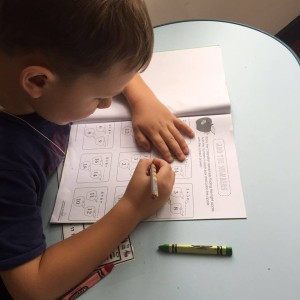
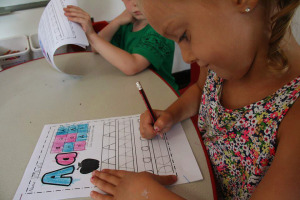
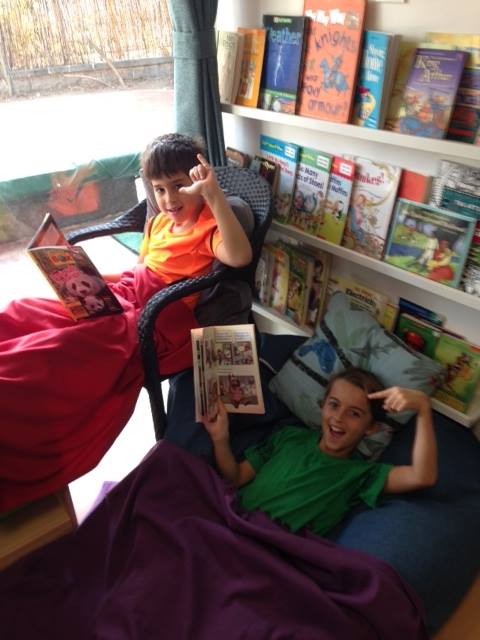
English has a pre-eminent place in education and in international society. A high-quality education in English will teach pupils to speak and write fluently so that they can communicate their ideas and emotions to others, and through their reading and listening, others can communicate with them. We take our children on a wonderful journey, that starts with letters, phonics and lots of practical reading, writing and verbal communication, through to the richness of Literature and the world of ideas within it.
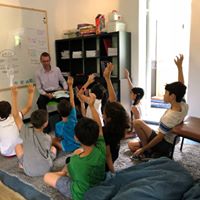
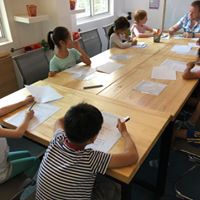
RIA has a distinct advantage for progressing English skills. Unlike any other international school in Shenzhen, our children all naturally default in class and in the playground, to speaking to each other in English. This provides a real boost for second language learners as well as a healthy environment for native speakers. Our small classes encourage every child to develop confidence in their abilities to express themselves and to enjoy language.
Mathematics
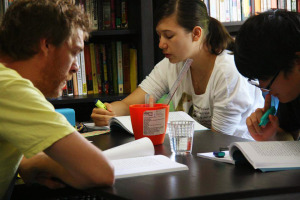
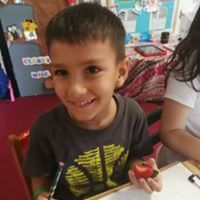
Mathematics is a creative and highly inter-connected discipline that has been developed over centuries, providing the solution to some of history’s most intriguing problems. It is essential to everyday life, critical to science, technology and engineering, and necessary for financial literacy and most forms of employment. We offer a full programme, combining the high standards of the UK’s National Curriculum ( see our curriculum overview documents) with an active and personalised approach. The children all enjoy Mathematics at RIA and we consistently see excellent progress
Science
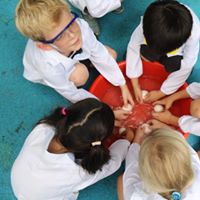
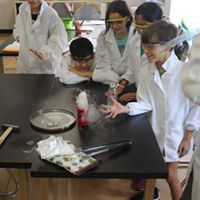
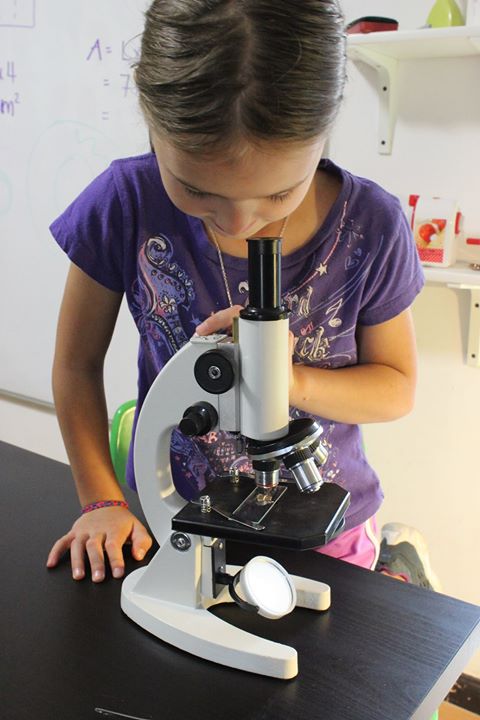
A high-quality science education provides the foundations for understanding the world through the specific disciplines of biology, chemistry and physics. Science has changed our lives and all pupils should be taught essential aspects of the knowledge, methods, processes and uses of science. Through building up a body of key foundational knowledge and concepts, pupils should be encouraged to recognise the power of rational explanation and develop a sense of excitement and curiosity about natural phenomena.
We treat Science as a discrete subject throughout the school, Our youngest children have specialist lessons during their week which often build on their weekly themes. As the children get older, the sub-sections of Science are developed, leading them towards the knowledge and skills necessary for tackling the challenging curriculum of Key Stage 3 and 4. Science is great fun, and we all look forward to these lessons.
Foundation Subjects
The Arts
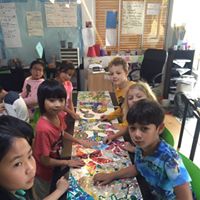
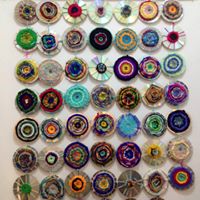
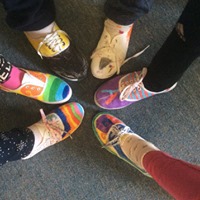
There are two weekly art lessons for every student. Children experience a wide range of activities, skills, knowledge and styles. The children enjoy a broad range of activities including, sculpting, painting, fine art, handicrafts, pottery and lots more. Art is a prominent part of our curriculum and we believe that young people gain great benefit from developing the inner qualities that come with such self-expression.
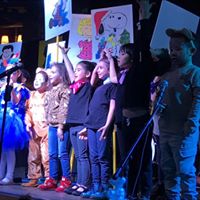
Music with the younger children tends to focus on song, dance, basic instrumentation and percussion. As the children grow older, music theory and opportunities for more advanced instrumentation are introduced. We have twice yearly school performances where children can showcase their enthusiasm and talent.
Technology and Design
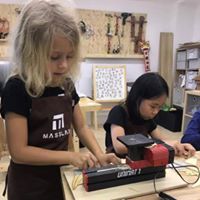
Building, designing, fixing, creating, growing, planning, evaluating, marketing, costing……. What a great subject for everyone. We’ve even had one of our oldest students design and build his own jet engine. Excellent fun!
Humanities (Geography and History)
The skill sets for these subjects are developed as per the UK curriculum, but the subject matter is often altered so as to reflect our international setting. For example, in Geography we will look at features from around the globe whilst History is altered so as to give a broader world view.
Computing
Computing is a major part of our lives and our computing curriculum reflects the importance of this. We utilise the rigorous new computing subject standards from the UKNC and also add our own twists on top. 3D printing, AI, coding, robots … and lots more …
Mandarin
Mandarin lessons happen four times a week and are delivered by a team of specialist Chinese teachers. Our children come from a range of backgrounds and have greatly differing levels of competency in Mandarin. We split our regular classes into different groups for this subject, so that all children will be receiving lessons that are appropriate for them.
Well-being
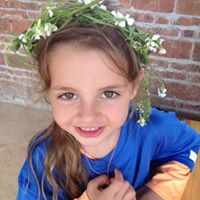
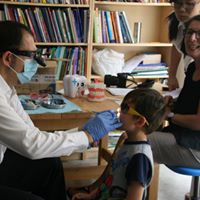
Often called Personal, Social and Health Education (PSHE), our Well-being programme focuses on many aspects of growing up, relationships, personal health, being part of a society, safety, and self-management. Students engage in specific activities to help them reach personal conclusions about themselves and the world, and they are encouraged to apply their ideas to their daily interactions and to their school work.
Contributing thoughts about how their school should run is also part of this strand of the curriculum under the label of Student Council. We also encourage aspects of the well-being programme through our Friday afternoon whole-school assemblies, encouraging children of all ages to interact and to develop their shared interests. and values.
PE
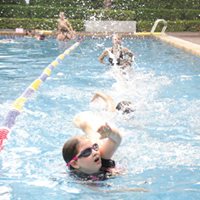
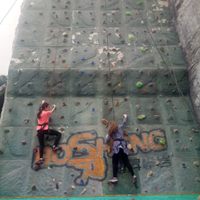
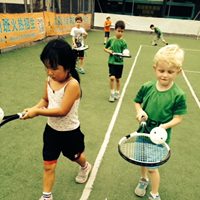
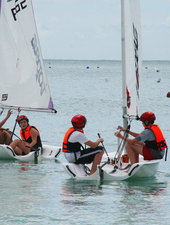
Having a small campus doesn’t stop us having lots of fun and active PE. Lessons are twice a week, and we use a local outdoor sports field for many of our team and general activity PE lessons. In addition, we have probably the best swimming pool in Shekou just 100 metres from our back gate, and there are range of indoor and specialist venues that we utilise too. Whilst having small classes restricts our ability to field say, a school rugby team, it does offer us opportunities to engage in more specialist activities that perhaps would not be possible with larger groups.
Here’s part of a (long) list of some examples: archery, rock-climbing, ice-skating, taekwondo, golf, horse-riding, swimming, gym work, ballet, pool, yoga, dance, drone flying, netball, fishing, kayaking …. and more ……
ASAs, School Events, Visits and Visitors
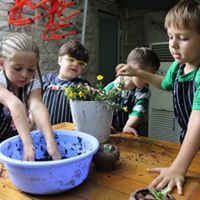
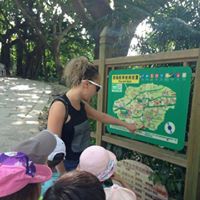
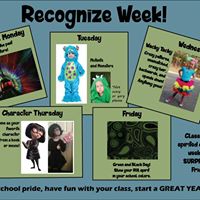
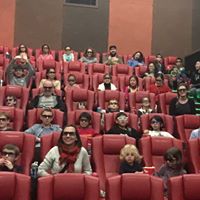
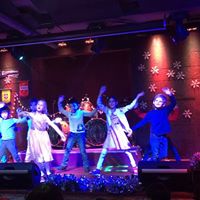
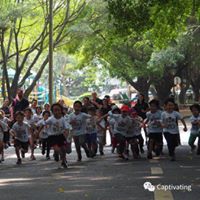
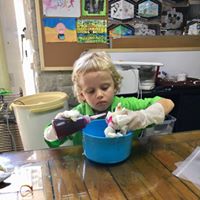
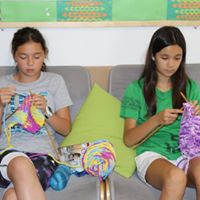
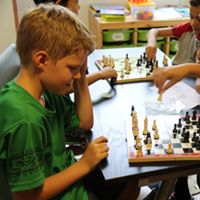
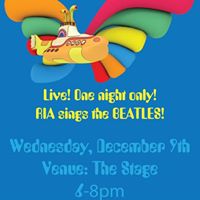
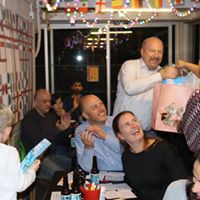
We have two school excursion opportunities per year, one overseas and one more locally. We offer a range of After School Activities and we regularly go on school outings and have visiting specialists join us. We have many social and school events throughout the year, including Recognise Week, Sleepover, Bingo Night, Welcome Night, and two school concerts. Here are a few pictures below, but to get a full flavour of our offerings, please visit Facebook ( Search: Recognise International Academy ) or have a look at our Gallery pages !
 .
.
课程概述
课程以英国国家课程(2014)为基础。我们使用本课程的标准和内容来作为我们的核心内容。它对成就和学习抱有很高的期望,但我们感到适当,也为我们提供了灵活性,使我们能够根据我们的国际背景和对个性化学习的承诺来适应我们的教学。
本课程指导我们与5至14岁儿童的合作。通过使用国家级别的课程系统对成绩进行监控。这些水平可以清晰,可靠地查看进度以及与英国的学业期望相关的学生能力。我们课程的内容和水平也可以很好地转化为全球其他教育系统,这意味着往返于其他学校的过渡通常是无缝的。
15岁那年,我们的大多数学生开始学习剑桥IGCSE。这些都是正式的资格证书,可以进入英国的“ A”级,IB文凭,美国或加拿大的高中课程,以及世界上大多数其他的16岁以下英语口语课程。
结构
RIA有七个班级,每个班级有10个孩子,年龄在5-16岁之间。其中一些班级可能是混合年龄。我们还为有额外学习需求的学生开设了一个六到七个孩子的班级。孩子们被安排在最适合他们学习的班级上,而不是仅仅根据他们的年龄来安排。
Subjects
开学日
我们将上课日分为四个主要时段。在上午的会议中,教师将根据班级性质使用自己的套路和时间安排。早上的课程侧重于数学,英语和人文学科。对于年幼的孩子,通常会有一个每周一次的主题,围绕这些主题进行学习。下午课程通常是较为活跃或实用的科目,例如科学,艺术,体育,计算机,技术,音乐和幸福。普通话课程在午餐之前或之后进行。到达时间是8.30-8.45,课程从8.50开始。一天的结束时间是3.45,但“放学后活动”运行的那一天是4.45。
核心项目
英语
英语在教育和国际社会中占有举足轻重的地位。高质量的英语教育将教学生说流利的语言和写作,以便他们可以将自己的想法和情感传达给他人,并通过他们的阅读和聆听,其他人也可以与他们交流。我们带我们的孩子们经历一段奇妙的旅程,从字母,语音,大量实用的阅读,写作和口头交流开始,直到文学的丰富性和其中的思想世界。
RIA对于提高英语技能具有明显的优势。与深圳的其他国际学校不同,我们的孩子们自然会在课堂上和操场上默认使用英语互相交谈。这为第二语言学习者提供了真正的推动力,也为母语为英语的人提供了一个健康的环境。我们的小班教学鼓励每个孩子在表达自己的能力和享受语言的能力上建立信心。
数学
数学是一个具有创新性且高度相互联系的学科,已经发展了多个世纪,为解决历史上最有趣的问题提供了解决方案。它对日常生活至关重要,对科学,技术和工程至关重要,对于金融知识和大多数形式的就业也是必不可少的。我们提供完整的课程,结合了英国国家课程的高标准(请参阅我们的课程概述文件)和积极且个性化的方法。孩子们都在RIA上享受数学,我们不断看到出色的进步
科学
高质量的科学教育为通过生物学,化学和物理学的特定学科来理解世界奠定了基础。科学改变了我们的生活,应该向所有学生讲授科学知识,方法,过程和用途的基本方面。通过建立一系列关键的基础知识和概念,应鼓励学生认识理性解释的力量,并对自然现象产生兴奋和好奇心。
我们将科学视为整个学校中的一门独立科目。我们最小的孩子通常在每周的主题上有专门的课程。随着孩子的长大,“科学”的各个部分将逐步发展,使他们获得解决关键阶段3和4的挑战性课程所必需的知识和技能。“科学”非常有趣,我们都期待着这些课程。
Foundation Subjects
艺术
每位学生每周有两节美术课。儿童会经历各种各样的活动,技能,知识和风格。孩子们享受各种各样的活动,包括雕刻,绘画,美术,手工艺品,陶器等等。艺术是我们课程的重要组成部分,我们相信,年轻人会从发展自我表达所带来的内在品质中受益匪浅。
年幼的孩子的音乐倾向于侧重于歌曲,舞蹈,基本乐器和打击乐器。随着孩子的长大,音乐理论和更高级乐器的机会也随之引入。我们每年有两次学校表演,孩子们可以展示他们的热情和才华。
技术与设计
建筑,设计,修复,创建,成长,计划,评估,营销,成本核算……。对每个人来说,这是一个伟大的课题。我们甚至有一位年龄最大的学生设计并制造了自己的喷气发动机。很好玩!
人文(地理和历史)
这些科目的技能是根据英国课程开发的,但是该科目经常进行更改,以反映我们的国际环境。例如,在《地理》杂志中,我们将着眼于全球各地的历史,同时对历史进行修改,以提供更广阔的世界视野
电脑运算
这些科目的技能是根据英国课程开发的,但是该科目经常进行更改,以反映我们的国际环境。例如,在《地理》杂志中,我们将着眼于全球各地的历史,同时对历史进行修改,以提供更广阔的世界视野。
普通话
普通话课程每周进行四次,由一组专业的中文老师进行授课。我们的孩子有不同的背景,并且普通话的能力水平也大不相同。我们针对该主题将普通班分为不同的小组,以便所有孩子都将接受适合他们的课程。
幸福计划
我们的幸福计划通常被称为个人,社会和健康教育(PSHE),重点关注成长,人际关系,个人健康,成为社会一部分,安全和自我管理的许多方面。学生参加一些特定的活动,以帮助他们得出有关自己和世界的个人结论,并鼓励他们将自己的想法应用到他们的日常互动和学校工作中。
关于他们的学校应该如何运作的想法也是该课程中学生会标签下的一部分。我们还通过星期五下午的全校聚会来鼓励幸福计划的各个方面,鼓励各个年龄段的孩子互动并发展共同的兴趣。和价值观。
体育
拥有一个很小的校园并不能阻止我们拥有许多有趣而活跃的体育教育。每周两次的授课,我们在许多团队和一般 activity 体育课上使用当地的户外运动场。此外,我们可能是蛇口最好的游泳池,距后门仅100米,并且我们还利用许多室内和专业场地。虽然小班制限制了我们一支橄榄球学校的野外训练能力,但它的确为我们提供了开展更多专业活动的机会,而大型团体可能无法做到。
这是一些示例的一小部分:射箭,攀岩,溜冰,跆拳道,高尔夫,骑马,游泳,健身,芭蕾舞,游泳池,瑜伽,舞蹈,无人机飞行,无板篮球,钓鱼,皮划艇…。和更多
课后课,学校活动,访问和访客
每年我们有两次学校旅行的机会,其中一次是在海外,另一次是在本地。我们提供一系列课后活动,我们定期参加学校郊游,并邀请来访专家参加。全年我们都有许多社交和学校活动,包括“RECOGNIZE 周”,“学校过夜”,“BINGO之夜”,“欢迎之夜”和两次学校音乐会。以下是几张图片,但是要充分了解我们的产品,请访问Facebook(搜索:Recognise International Academy)或浏览我们的 Gallery 页面!
.
[:]